
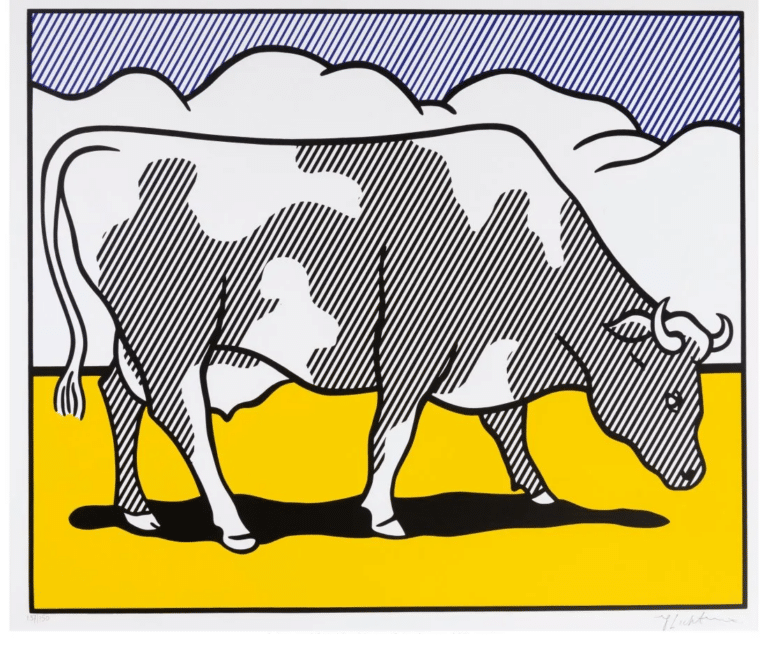
Roy Lichtenstein (1923-1997) Cow Triptych (Cow Going Abstract).
Image Credit: Heritage Auctions
Pop artists have left an indelible mark, revolutionizing how we perceive and appreciate art. With their vibrant colors, bold imagery, and playful approach, they pushed boundaries and challenged traditional notions of art. In this blog post, we’ll explore the works and legacies of 10 influential pop artists who have shaped the movement and continue inspiring generations of artists and enthusiasts alike.
Andy Warhol: The Master of Pop
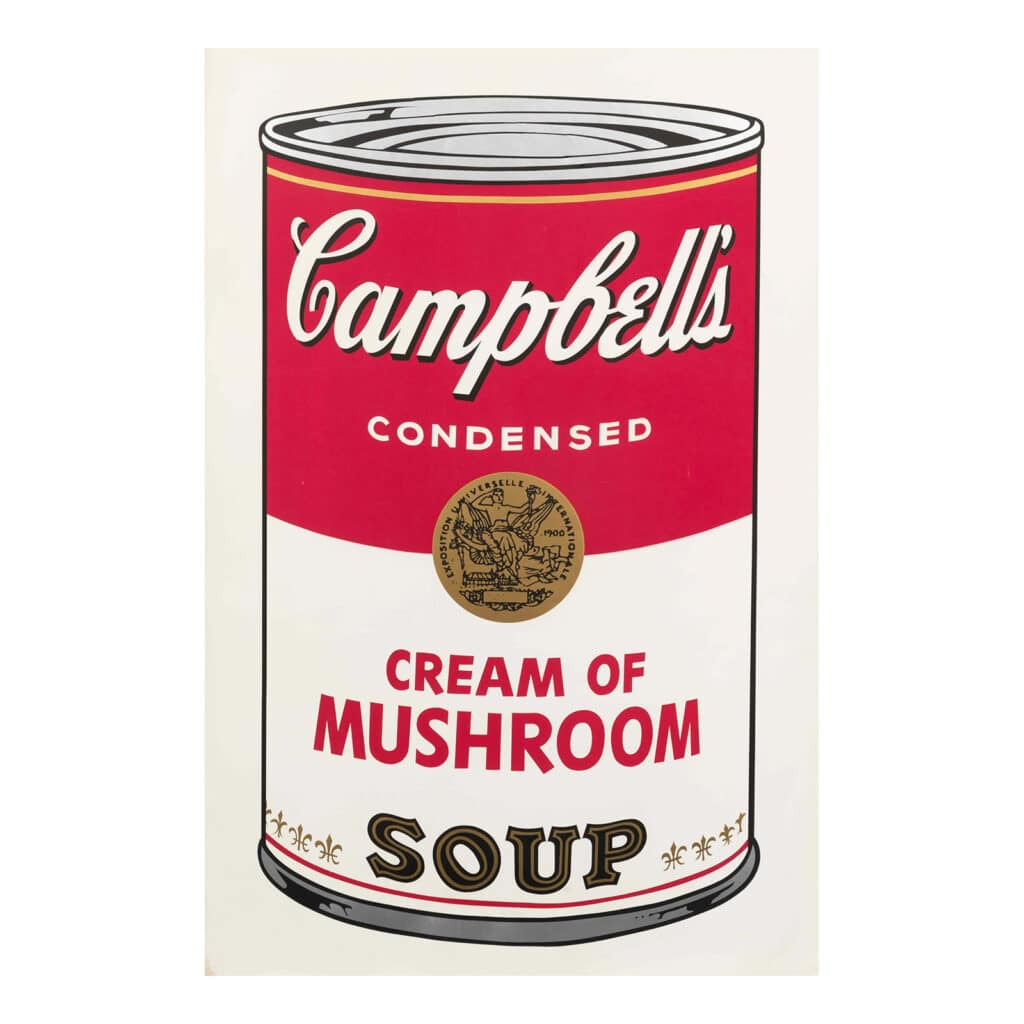
When it comes to pop art, one name stands out above the rest: Andy Warhol. This enigmatic figure rose to fame in the 1960s with his distinctive style and obsession with consumer culture. Warhol’s iconic silk-screen prints, such as his Campbell’s Soup Cans and Marilyn Monroe portraits, epitomize the essence of pop art. With his Factory and his irreverent approach to art, Warhol blurred the lines between high and low culture, forever changing the art landscape.
Roy Lichtenstein: Comic Book Royalty
Imagine walking into a gallery and finding enlarged comic book panels hanging on the walls. That’s the power of Roy Lichtenstein’s work. Lichtenstein’s paintings, characterized by his use of bold primary colors, Ben-Day dots, and speech bubbles, celebrate the visual language of popular comics. His iconic piece, “Whaam!”, depicting an action-packed aerial battle, remains a testament to his unique style and enduring influence on pop art.

Keith Haring: Art for the People
Keith Haring’s art is instantly recognizable with its vibrant figures and energetic lines. Haring’s work was visually striking and carried a strong social and political message. He used his art as a medium for activism, addressing issues like AIDS awareness and social inequality. Haring’s iconic graffiti-inspired images, like the radiant baby and dancing figures, symbolize his belief in art’s power to unite and inspire change.

Robert Indiana: Love and Beyond
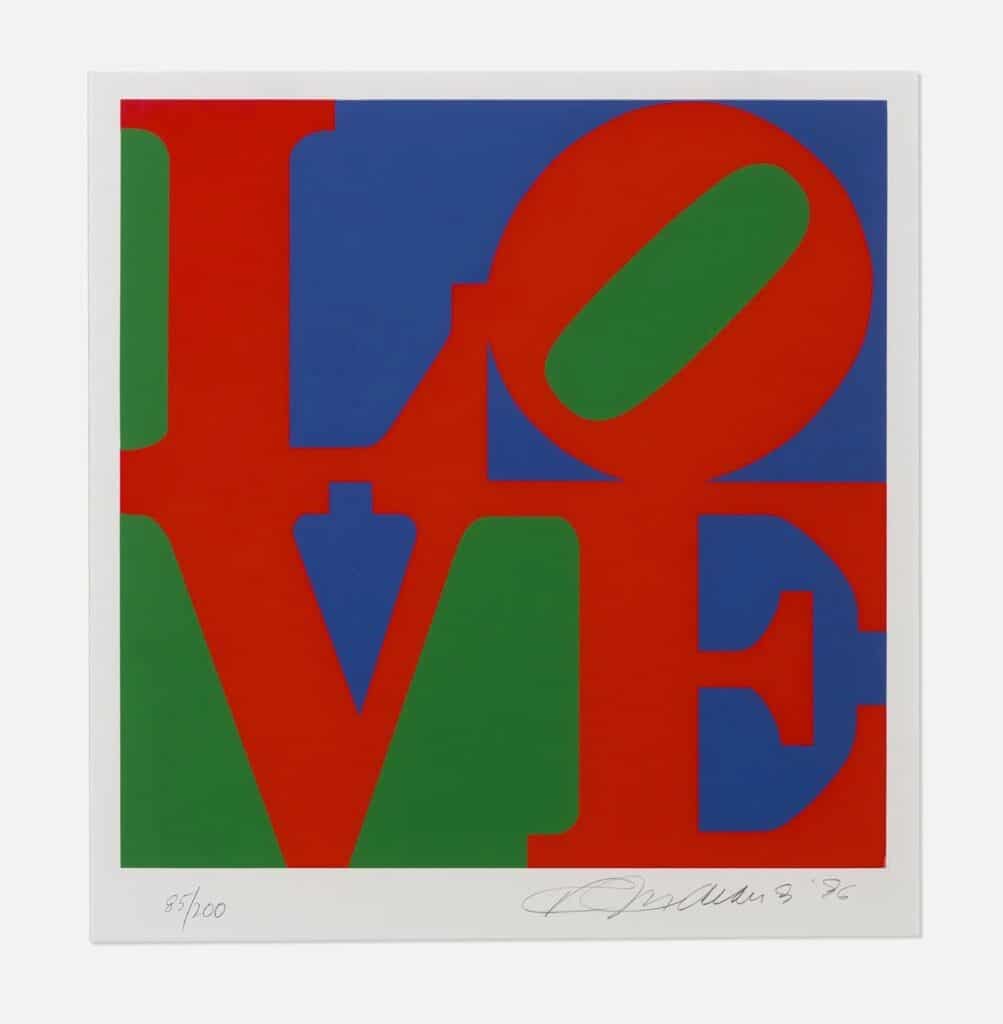
One word instantly comes to mind when thinking of Robert Indiana’s art: Love. Indiana’s famous “LOVE” sculpture has become an enduring pop art symbol with its bold, stacked letters. However, Indiana’s artistic exploration went beyond that iconic image. His use of numbers, symbols, and words in his compositions delved into the realms of language, communication, and identity.
Robert Rauschenberg: A Master of Mixed Media
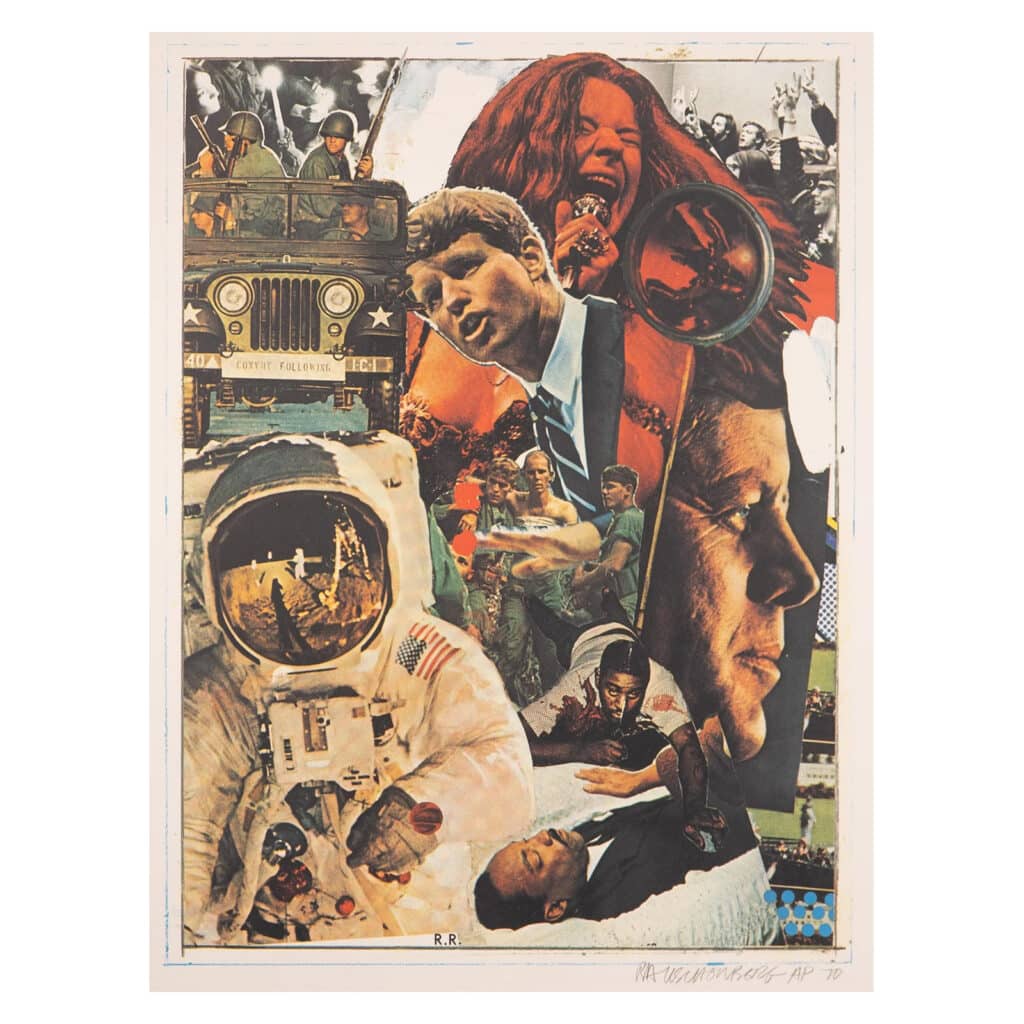
Robert Rauschenberg defied conventions and redefined art by incorporating everyday objects and materials into his works. Rauschenberg’s “Combines” series, which combined found objects, newspaper clippings, and paint, challenged traditional artistic mediums and paved the way for future generations of artists to experiment.
Jasper Johns: Symbolism and Substance
Jasper Johns’ art is a mesmerizing blend of abstraction, symbolism, and everyday objects. He explored the realm of signs and symbols, often incorporating targets, flags, and maps into his work. With their tactile surfaces and layered meanings, Johns’ richly textured paintings and sculptures invite viewers to engage in a deeper exploration of personal and cultural symbols.

Yayoi Kusama: Infinite Obsessions
Yayoi Kusama’s art transports us to a world of infinite possibilities. Known for her signature polka dots and immersive installations, Kusama’s work transcends pop art boundaries. Her art reflects her own experiences with mental health and obsession while capturing the viewer’s imagination. From her Infinity Mirror Rooms to her psychedelic pumpkins, Kusama’s art invites us to lose ourselves in a boundless universe.

David Hockney: Celebrating Life
David Hockney’s art celebrates life’s vivid colors and joyous moments. With his vibrant landscapes, swimming pools, and portraits, Hockney captured the essence of California and the spirit of the 1960s. His use of bright, bold colors and playful compositions brought a refreshing vibrancy to the pop art movement, inspiring countless artists to embrace a more optimistic approach to their work.

James Rosenquist: Reflections of Consumerism
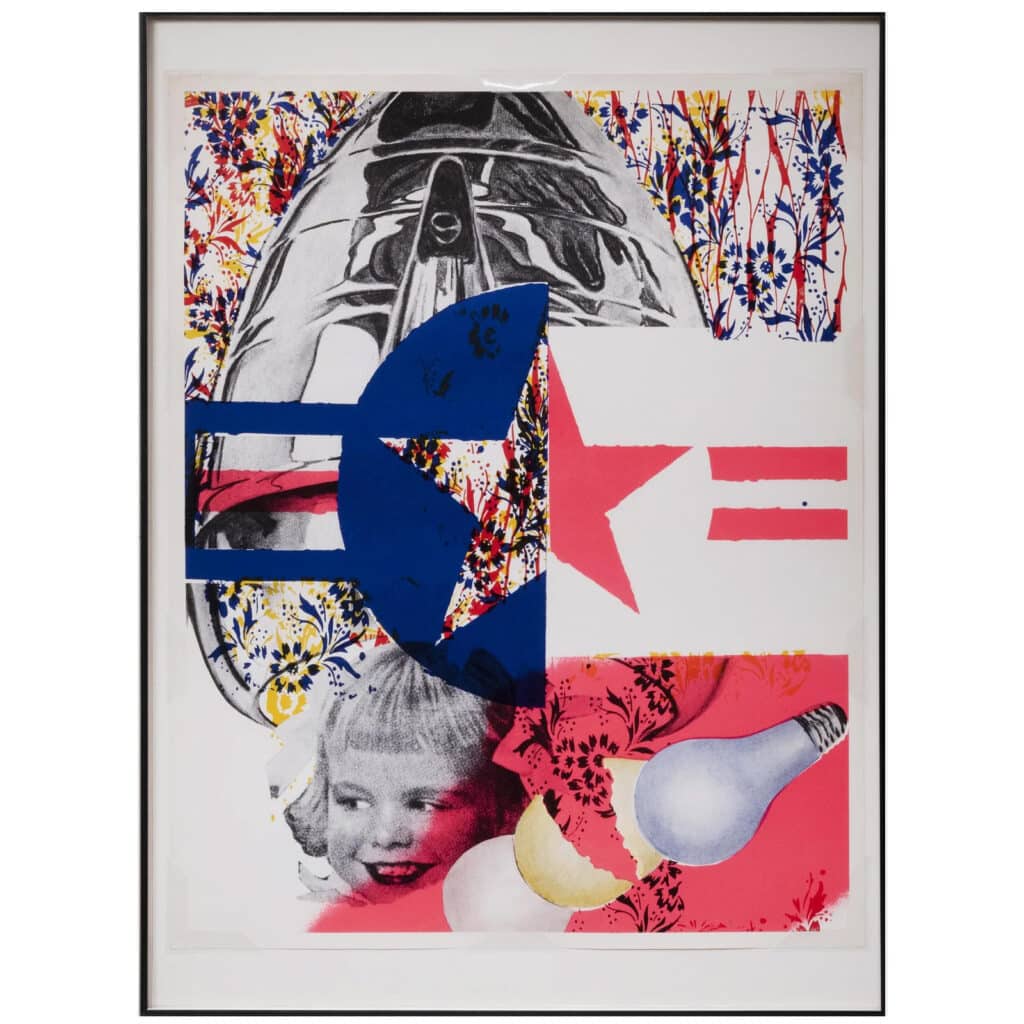
James Rosenquist’s art often reflected the consumer-driven society in which he lived. His large-scale, fragmented compositions combined everyday images from advertising and popular culture. Rosenquist’s vibrant paintings, such as “F-111,” challenged viewers to reconsider the impact of mass media and consumerism on our lives, provoking both fascination and critique.
Jim Dine: Embracing the Personal
Jim Dine’s art delves into the deeply personal, combining everyday objects, self-portraits, and bold gestural marks. His series of iconic hearts, bathrobes, and tools are filled with emotional resonance and evoke a sense of nostalgia. Dine’s art captures the essence of individuality and the artist’s relationship with his subjects, adding a deeply human element to the pop art movement.

The pop art movement and its influential artists continue to captivate and inspire audiences worldwide. From the vibrant works of Andy Warhol and Roy Lichtenstein to the social activism of Keith Haring and the infinite universe of Yayoi Kusama, these influential artists continue to inspire and captivate us. As we delve into pop art, we discover a vibrant celebration of popular culture and a profound reflection of the human experience. So, immerse yourself in pop art and let these artists inspire your creative journey.
